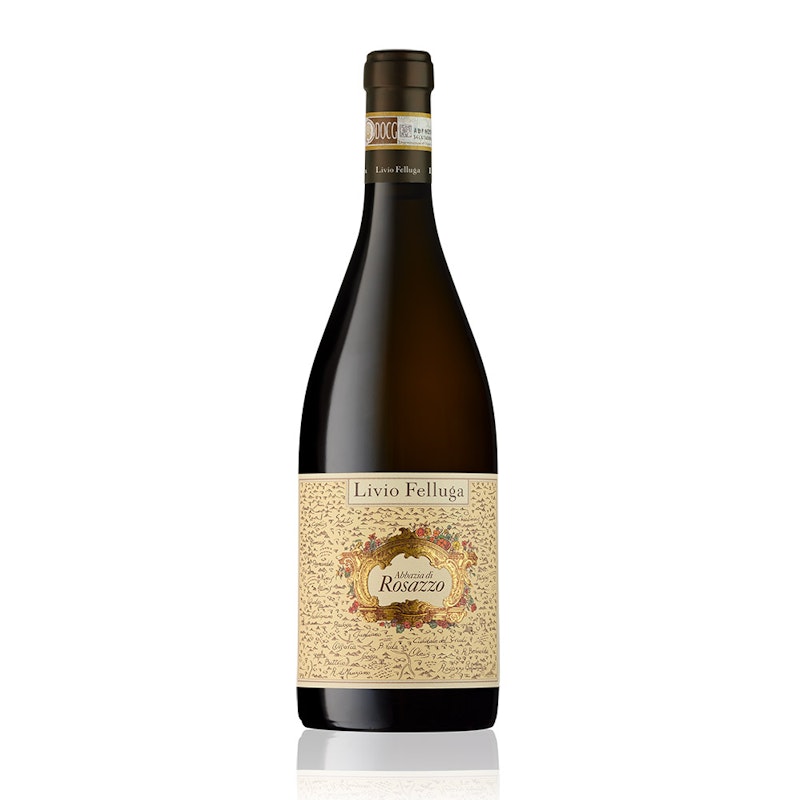
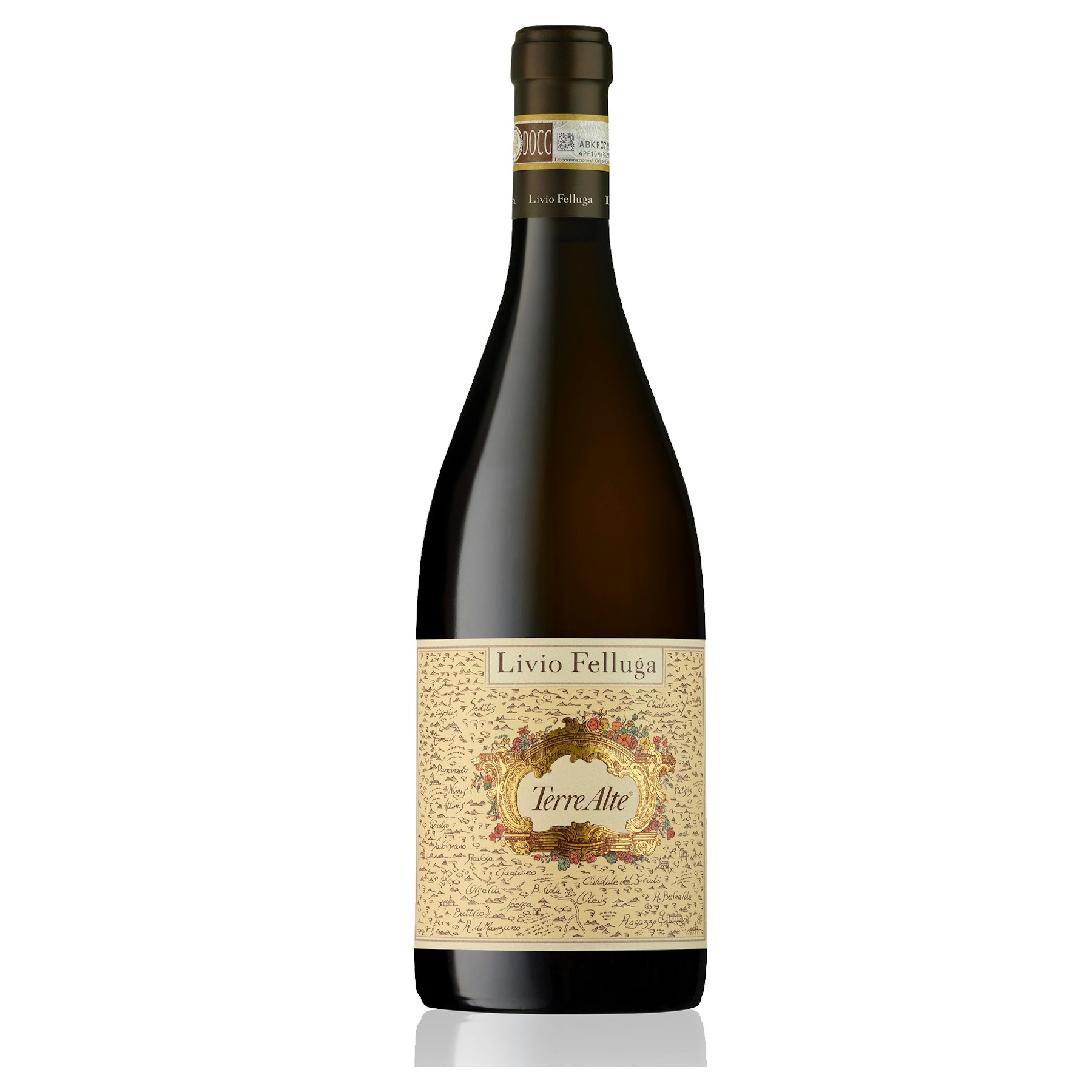
Terre Alte 2022 Jéroboam - wooden case
Tasting notes
Color: Bright, intense yellow, with subtle golden hues.
Nose: Eclectic, extremely complex and stylish. Floral sensations of orange blossom, jasmine and honeysuckle, enriched by citrus notes of yellow grapefruit, kumquat and candied citron, and hints of ripe fruit like percoca, yellow peach and apricot. Seductively tropical nuances of pineapple, papaya and passion fruit enfolded by sage, thyme, rosemary and maquis. Spicy touches of white pepper, ginger and saffron complete the bouquet.
Palate: Seductive, well balanced and layered with distinctive harmony between freshness and volume, rich texture and grip. Floral aromas of hawthorn and acacia flowers, followed by fruity hints of tobacco peach, hazelnut, almond and citrus, closing on notes of custard, vanilla and honey. A delicate mineral note creates a taut, lingering finish, with a pleasing salty tang that blends nicely with the wine’s rounded, velvety profile.
Pairings
Particularly well-suited to fish dishes, excellent with vegetable-based first courses, white meats and cheeses.
Why we like it
Created in 1981, Terre Alte is considered one of Italy’s most prestigious white wines. The balanced blend of Friulano, Pinot Bianco and Sauvignon grapes, estate-grown at Rosazzo in the historic Terre Alte vineyards, yields a superbly elegant wine with a profusion of intense fruit and flower aromas. A wine of outstanding structure, Terre Alte acquires a wonderfully complex bouquet of tertiary aromas with bottle aging. Mainly trained in the Cappuccina system, the vines benefit from marl and sandstone soils of Eocene origin. The healthy and perfectly ripe grapes are harvested by hand, in small crates, to preserve the integrity of the berry. Carefully destemmed and left to macerate for a short period, the fruit is then soft crushed and the must obtained is allowed to settle. The must ferments in temperature-controlled stainless- steel tanks. The wine is racked into oak casks where the alcoholic and malolactic fermentation are completed. It then settles on the lees to enhance savouriness, creaminess and aging potential. The wine is bottled over the summer. Tertiary aromas will develop over the years to come.